Cholesterol is a type of fat present in the blood that is essential for the body to function properly. However, high levels of cholesterol can increase the risk of heart disease and stroke. It is important to be aware of the signs and symptoms of high cholesterol to take preventive measures and reduce the risk of these serious health conditions. Cholesterol is produced in the liver and is also found in certain foods. It plays an important role in building cell membranes and producing hormones.
However, when there is an excess of cholesterol in the blood, it can lead to the formation of plaque in the arteries, restricting blood flow and increasing the risk of cardiovascular problems. Monitoring cholesterol levels through regular blood tests and making lifestyle changes, such as eating a healthy diet and exercising regularly, can help maintain optimal levels and reduce the risk of heart disease.
High cholesterol is commonly associated with chest pain or discomfort. This is often caused by a condition known as angina, which occurs when the arteries become narrowed due to a buildup of cholesterol. Chest pain should never be ignored, as it can be a sign of a heart attack or other serious cardiac event.
Another sign of high cholesterol is yellowish lumps or patches on the skin, known as xanthomas. These can appear on various parts of the body, including the eyelids, hands, feet, and buttocks. Xanthomas are caused by the accumulation of cholesterol under the skin and are often a strong indication of high cholesterol levels.
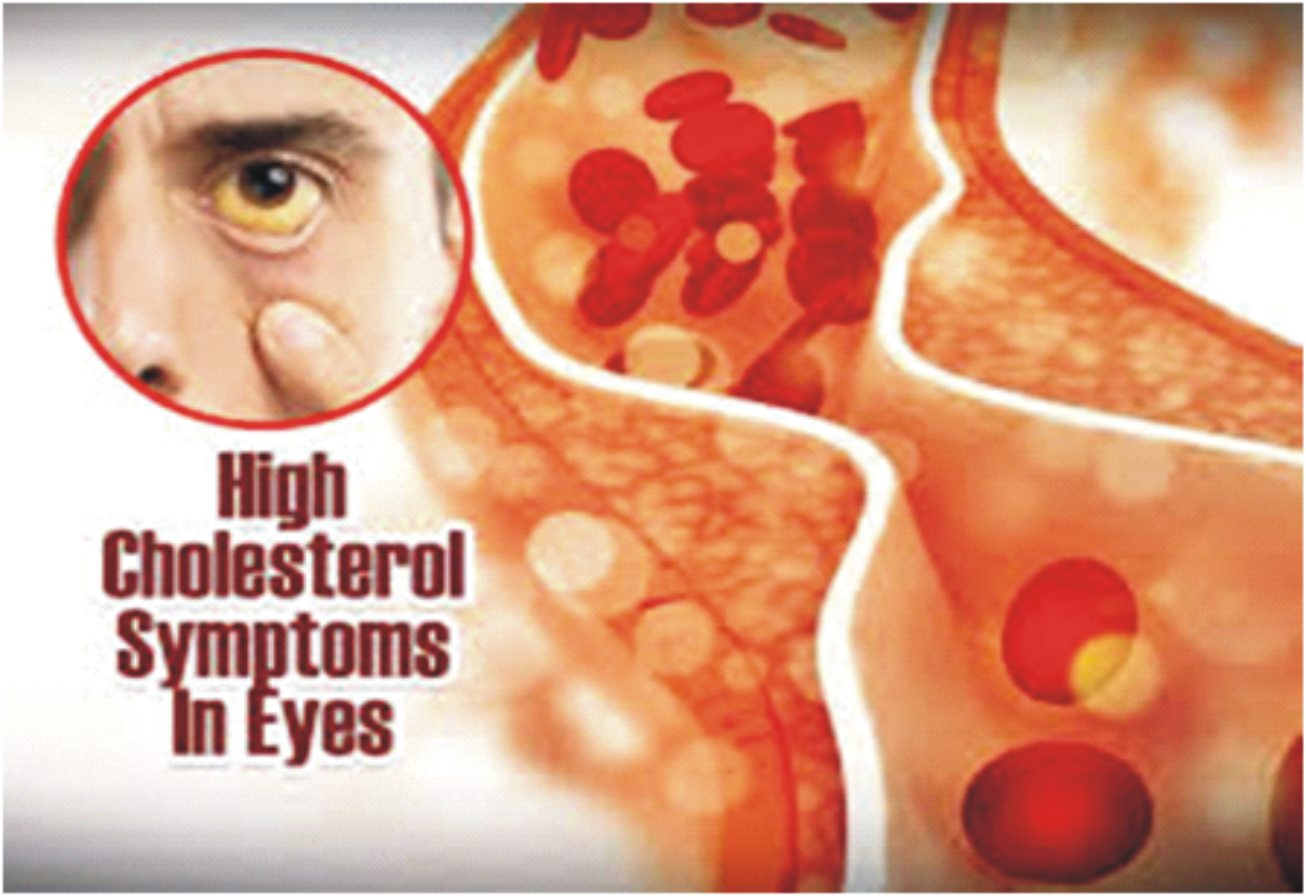
High cholesterol can also cause a condition known as xanthelasma, which is characterized by yellowish plaques around the eyelids. These plaques are a result of cholesterol deposits in the skin and can be a sign of increased risk for heart disease and stroke.
People with high cholesterol may also experience symptoms such as fatigue, weakness, and shortness of breath. This is because high cholesterol can affect the flow of blood through the arteries, leading to reduced oxygen supply to the muscles and organs. It is not advisable to ignore these symptoms and make sure you should see a doctor immediately.
In some cases, high cholesterol can lead to a condition known as peripheral artery disease (PAD), which is characterized by reduced blood flow to the legs and feet. Symptoms of PAD include leg pain, numbness, and weakness, especially during physical activity. It is important to seek medical help if you experience these symptoms, as they can be a sign of underlying high cholesterol levels.
High cholesterol can also cause a condition called coronary artery disease, which occurs when the arteries supplying blood to the heart become narrowed or blocked. This can result in chest pain, shortness of breath, and other symptoms that can indicate a heart attack or other serious cardiac event. It is crucial to be aware of these signs and seek medical attention immediately if you experience them.
In addition to the physical signs of high cholesterol, there are also risk factors that can increase the likelihood of developing this condition. These include a family history of high cholesterol, obesity, a diet high in saturated fats and cholesterol, and lack of physical activity. By understanding these risk factors, you can take preventive measures to reduce your chances of developing high cholesterol.
It is important to note that high cholesterol often does not cause any symptoms in the early stages, which is why regular cholesterol screenings are recommended for adults. A simple blood test can measure your cholesterol levels and help you identify any potential issues before they become serious. By being proactive about your health and monitoring your cholesterol levels, you can take steps to reduce your risk of heart disease and stroke.
In conclusion, high cholesterol is a common and serious health condition that can have life-threatening consequences if left untreated. By being aware of the signs and symptoms of high cholesterol, as well as the risk factors associated with this condition, you can take proactive measures to protect your heart health.
Regular cholesterol screenings, a healthy diet, regular exercise, and other lifestyle changes can help you maintain healthy cholesterol levels and reduce your risk of heart disease and stroke. It is important to prioritize your heart health and work with your healthcare provider to develop a personalized plan for managing your cholesterol levels.
Cordy Royal Jelly Can Be Of Help