Kidney disease is a serious health condition that affects millions of people worldwide. Kidney disease can manifest in various forms, including chronic kidney disease, acute kidney injury, and polycystic kidney disease. Fatigue, swelling, alterations in urination, and high blood pressure are all possible signs. Early detection and treatment are crucial in managing kidney disease and preventing further complications.
Regular check-ups, maintaining a healthy lifestyle, and managing underlying health conditions can help reduce the risk of developing kidney disease. The kidneys play a crucial role in filtering waste and excess fluids from the blood, regulating blood pressure, and producing hormones that control blood pressure and red blood cell production.
When the kidneys are damaged or diseased, they are no longer able to perform these vital functions effectively, leading to a range of serious health problems. Several factors can contribute to the development of kidney disease, and understanding the causes of this condition is essential to prevent and manage it effectively.
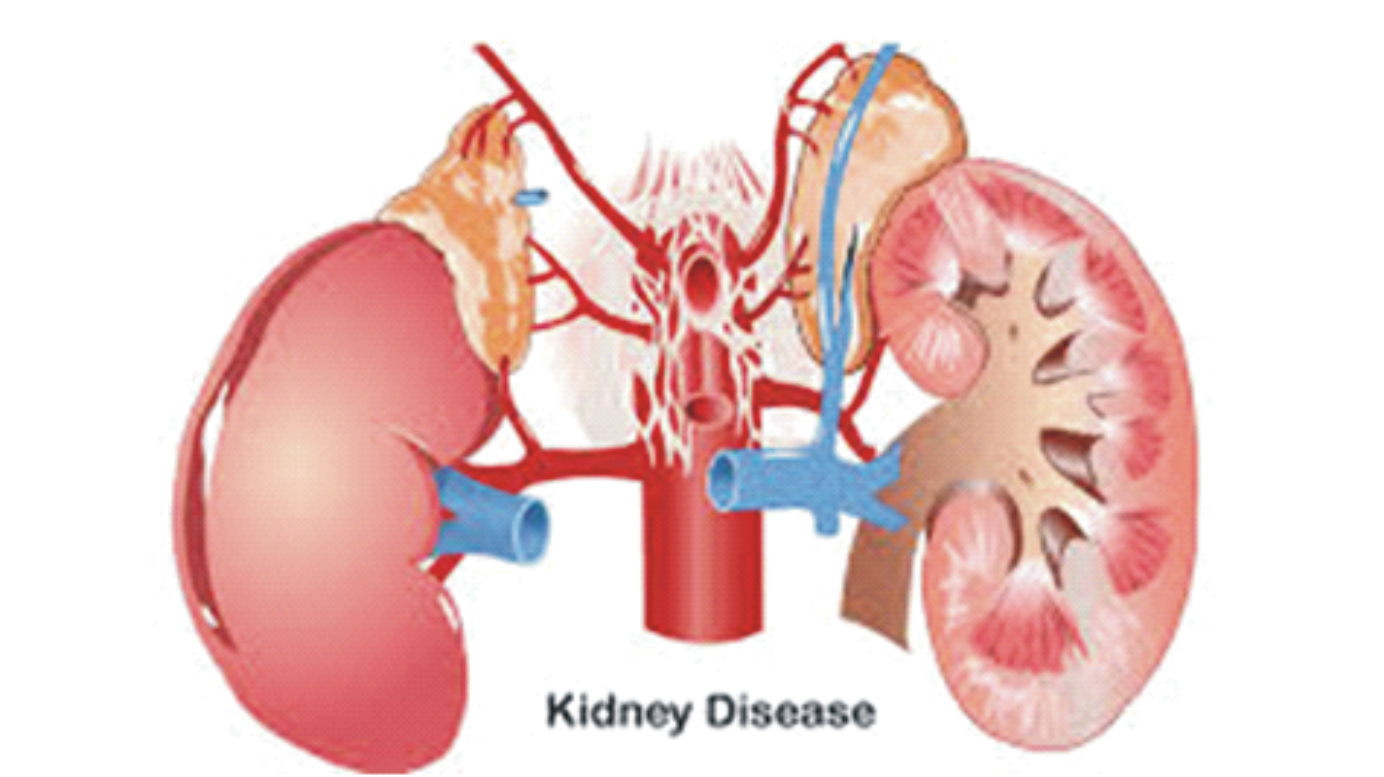
One of the main sources of kidney disease is hypertension. The kidneys' blood vessels can be damaged by high blood pressure, resulting in decreased kidney function over time. Managing blood pressure through diet, exercise, and medication can help prevent or slow the progression of kidney disease in individuals at risk.
Another common cause of kidney disease is diabetes. Diabetes can damage the small blood vessels in the kidneys, preventing them from filtering waste and excess fluids effectively. Maintaining a healthy blood sugar level through diet, exercise, and medication is essential in managing diabetes and preventing kidney disease.
Another significant risk factor for kidney disease is obesity. Excess weight puts extra strain on the kidneys, leading to inflammation and damage over time. Losing weight through a healthy diet and regular exercise can help reduce the risk of developing kidney disease.
Smoking and excessive alcohol consumption are other factors that can contribute to kidney disease. Both smoking and alcohol can damage the blood vessels in the kidneys, leading to reduced kidney function and an increased risk of developing kidney disease. Quitting smoking and reducing alcohol intake can help protect the kidneys and prevent further damage.
Certain medications and toxins can also damage the kidneys and contribute to the development of kidney disease. Non-steroidal anti-inflammatory drugs (NSAIDs), such as ibuprofen and naproxen, can be harmful to the kidneys when taken in high doses or for prolonged periods. Additionally, exposure to toxic substances such as heavy metals or solvents can damage the kidneys and lead to kidney disease over time.
Hereditary factors can likewise play a part in the development of kidney health challenges. Individuals with a family history of kidney disease are at an increased risk of developing the condition themselves. Genetic testing and screening can help identify individuals at risk and allow for early intervention to prevent or manage kidney disease effectively.
Infections, such as urinary tract infections or kidney infections, can also damage the kidneys and lead to the development of kidney disease. Prompt treatment of infections and maintaining good hygiene practices can help prevent damage to the kidneys and reduce the risk of developing kidney disease.
Poorly controlled autoimmune diseases, such as lupus or rheumatoid arthritis, can also contribute to the development of kidney disease. These conditions can cause inflammation and damage to the kidneys, leading to reduced kidney function over time. Managing autoimmune diseases through medication and other treatments is essential in preventing kidney disease.
Finally, a lack of physical activity and a diet high in processed foods and sugars can also contribute to the development of kidney disease. Regular exercise and a healthy, balanced diet can help maintain a healthy weight, blood pressure, and blood sugar levels, reducing the risk of developing kidney disease.
In conclusion, several factors can contribute to the development of kidney disease, including high blood pressure, diabetes, obesity, smoking, alcohol consumption, medications and toxins, genetic factors, infections, autoimmune diseases, and a lack of physical activity and poor diet.
Understanding these causes and taking steps to prevent or manage them effectively is essential in maintaining kidney health and reducing the risk of developing kidney disease. By making healthy lifestyle choices, staying informed about kidney health, and seeking prompt medical attention when needed, individuals can protect their kidneys and maintain optimal kidney function for years to come.