Vitamin D is a crucial nutrient that plays a vital role in bone health, immune function, and cardiovascular health. While Vitamin D is commonly associated with bone health, its impact on the immune system should not be overlooked. Research has shown that Vitamin D plays a crucial role in modulating the immune response and reducing inflammation, which can help protect against infections and autoimmune diseases. In addition to its role in bone and immune health, Vitamin D has also been linked to mood regulation and mental well-being.
Sufficient amounts of vitamin D have been linked to enhanced cognitive performance and a decreased risk of depression. It is primarily known for its role in calcium absorption and bone metabolism, but recent research has also highlighted the importance of Vitamin D in maintaining heart health. Vitamin D deficiency has been linked to an increased risk of various cardiovascular diseases, including heart failure, stroke, and heart attacks. In this essay, we will explore the impact of Vitamin D deficiency on heart health and discuss ways to prevent and manage this nutritional deficiency.
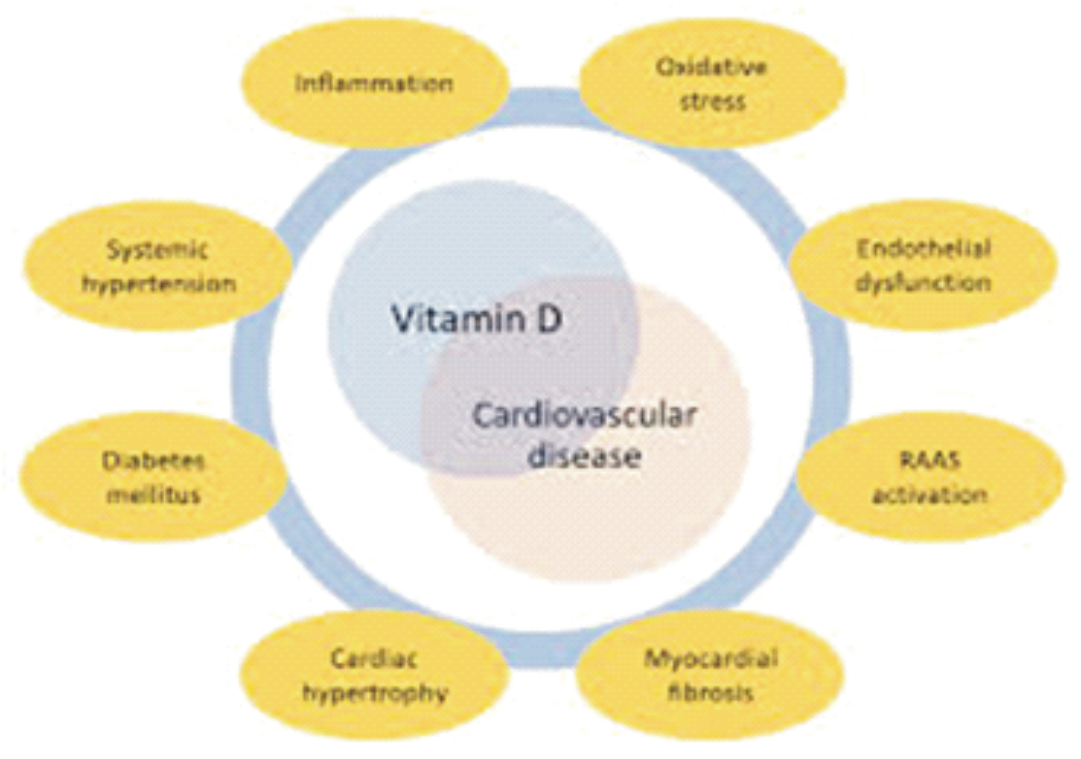
First and foremost, Vitamin D deficiency has been found to contribute to the development of hypertension, a major risk factor for heart disease. Studies have shown that low levels of Vitamin D are associated with higher blood pressure levels, which can lead to an increased risk of developing heart disease. Vitamin D plays a crucial role in regulating the renin-angiotensin system, which controls blood pressure, and therefore, a deficiency in this nutrient can disrupt this system and lead to hypertension.
Moreover, Vitamin D deficiency has also been linked to an increased risk of atherosclerosis, a condition in which plaque builds up in the arteries, narrowing them and restricting blood flow. Vitamin D is believed to have anti-inflammatory and anti-oxidative properties that help protect against the development of atherosclerosis. Therefore, a deficiency in Vitamin D can impair these protective mechanisms and lead to the progression of this cardiovascular disease.
In addition, Vitamin D has been shown to have a protective effect on the heart by reducing the risk of developing heart failure. Heart failure is a medical condition characterized by insufficient heart pumping capacity, which results in hypoxia, dyspnea, and edema in the lower limbs. Vitamin D deficiency has been associated with an increased risk of heart failure, as low levels of this nutrient can impair heart muscle function and increase the risk of heart failure.
Furthermore, Vitamin D deficiency has been linked to an increased risk of developing coronary artery disease, a condition in which the arteries that supply blood to the heart become narrowed or blocked, and this can lead to various serious health challenges like chest pain or heart-related problems. Studies have shown that low levels of Vitamin D are associated with a higher risk of developing coronary artery disease, as Vitamin D plays a crucial role in sustaining healthy blood flow in the vessels and preventing the buildup of plaque in the arteries.
Moreover, Vitamin D deficiency has also been linked to an increased risk of developing arrhythmias, or abnormal heart rhythms. Arrhythmias can be dangerous and may lead to serious complications, such as stroke or sudden cardiac arrest. Vitamin D is believed to have anti-inflammatory and anti-oxidative properties that help protect against arrhythmias, and therefore, a deficiency in this nutrient can increase the risk of developing these abnormal heart rhythms.
However, it is important to note that Vitamin D deficiency is a common problem worldwide, especially in regions with limited sun exposure, as Vitamin D is primarily synthesized in the skin in response to sunlight. Therefore, individuals who spend most of their time indoors or live in regions with long winters may be at a higher risk of developing Vitamin D deficiency. Additionally, certain populations, such as older adults, people with darker skin, and individuals with obesity, are also at a higher risk of Vitamin D deficiency.
To prevent and manage Vitamin D deficiency, it is important to ensure an adequate intake of Vitamin D through diet and supplements. Egg yolks, fortified dairy products, and fatty fish are foods high in vitamin D. However, it may be difficult to obtain enough Vitamin D through diet alone, especially for individuals with limited sun exposure or other risk factors for deficiency. In such cases, Vitamin D supplements may be necessary to meet the daily recommended intake of this nutrient.
In conclusion, Vitamin D deficiency has been found to have a significant impact on heart health, increasing the risk of hypertension, atherosclerosis, heart failure, coronary artery disease, and arrhythmias. Therefore, it is important to maintain adequate levels of Vitamin D to protect against these cardiovascular diseases.
By ensuring a healthy diet, regular sun exposure, and, if necessary, supplementation with Vitamin D, individuals can reduce their risk of developing heart disease and maintain optimal heart health. Ultimately, paying attention to Vitamin D status is crucial for overall health and well-being, especially when it comes to heart health.
Kindly Visit Our Shop For Various Health Care Products.