Parkinson's disease is a neurological condition characterized by degeneration and affects mobility. Parkinson's disease is caused by the loss of dopamine-producing cells in the brain, leading to a lack of coordination and control over movements. As the disease progresses, individuals may also experience cognitive decline and emotional changes. It is important for individuals experiencing symptoms to seek medical attention and undergo thorough evaluations to receive an accurate diagnosis and appropriate treatment plan.
It is characterized by symptoms such as tremors, stiffness, difficulty walking, and balance problems. While there is no cure for Parkinson’s disease, early diagnosis and treatment can help manage the symptoms and improve the quality of life for individuals living with the condition. Recognizing the signs of Parkinson's disease early on is crucial for getting the appropriate care and support.
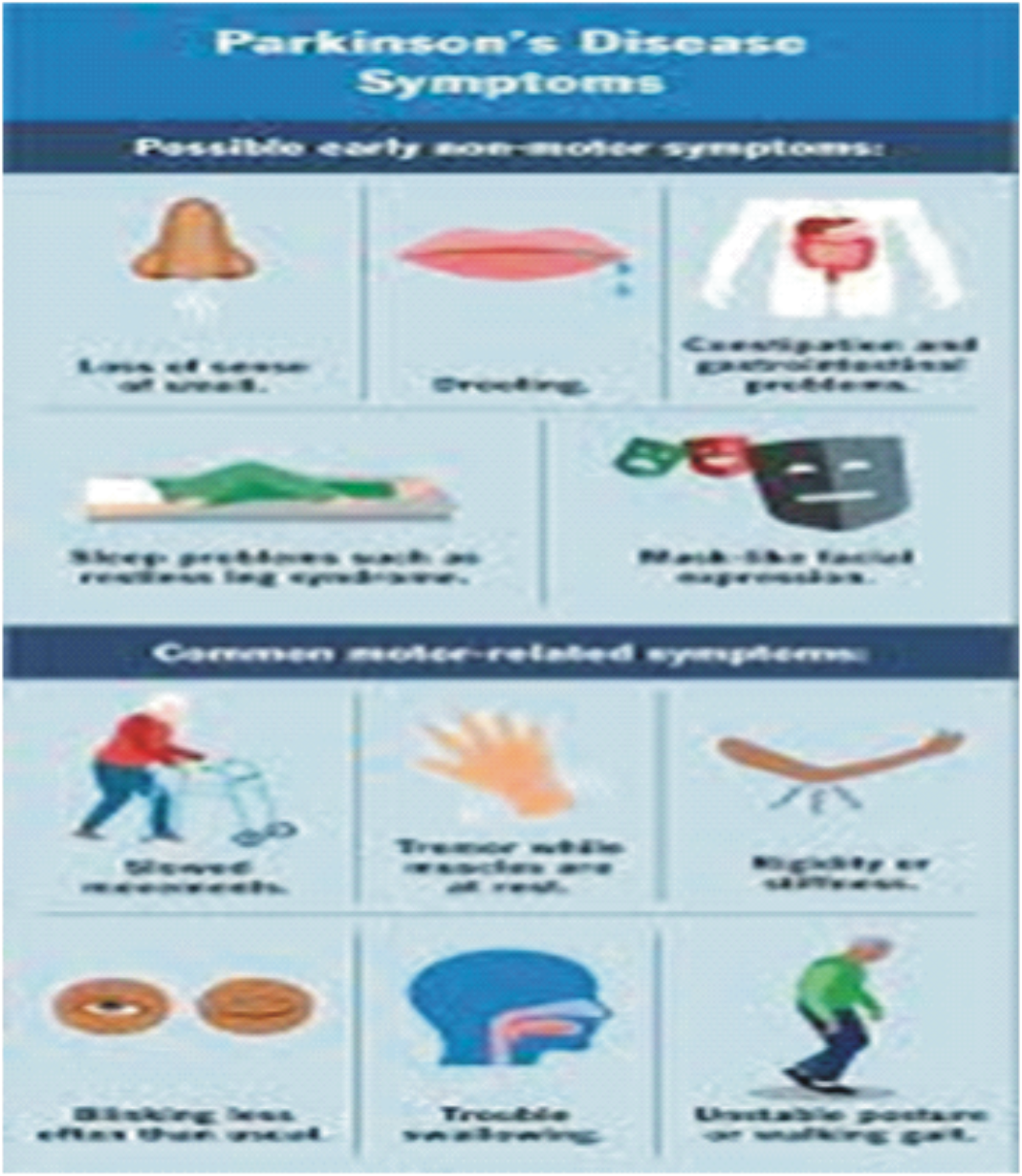
How to recognize the signs of Parkinson's disease?
Tremor is one of the first common signs of Parkinson's disease. Tremors usually begin in one hand and can spread to the other hand and other parts of the body over time. The tremors are often seen when the person is at rest and may disappear when they are performing a task. It is important to note that not all tremors are a sign of Parkinson's disease, but if they are persistent and accompanied by other symptoms, it is important to see a doctor for further evaluation.
Stiffness in the muscles is another common sign of Parkinson’s disease. This stiffness can make it difficult for individuals to move freely and perform simple tasks such as getting out of a chair or turning over in bed. The stiffness is often accompanied by a decreased range of motion in the limbs and can contribute to balance problems and difficulty walking.
Balance problems and difficulty walking are also common symptoms of Parkinson's disease. Individuals may experience a shuffling gait, and a stooped posture, and may have trouble with balance and coordination. They may also have difficulty starting or stopping movement, which can lead to falls and injuries.
In addition to motor symptoms, Parkinson's disease can also cause non-motor symptoms such as cognitive changes, sleep disturbances, and mood disorders. Individuals may experience difficulty concentrating, memory problems, insomnia, and depression or anxiety. These non-motor symptoms can have a significant impact on quality of life and should not be ignored.
Other signs of Parkinson's disease may include a loss of sense of smell, constipation, and changes in speech and handwriting. People may see that their speech is softer and more monotonous, or that their handwriting is smaller and tenser. These changes can be subtle and may not be noticed right away, but they can be early indicators of Parkinson's disease.
It is important to keep in mind that the symptoms of Parkinson's disease can vary from person to person and may not all be present at the same time. While some people may only have a few symptoms, others may have both motor and non-motor symptoms. It is also important to note that the symptoms of Parkinson's disease can be similar to other neurological conditions, so a thorough evaluation by a healthcare provider is essential for an accurate diagnosis.
If you or a loved one is experiencing any of the signs of Parkinson's disease, it is important to see a doctor for a thorough evaluation. A healthcare practitioner especially a neurologist can conduct a physical exam, take a detailed medical history, and perform diagnostic tests such as imaging studies and blood tests to determine if it is Parkinson's disease or not.
Early diagnosis and treatment of Parkinson's disease can help manage symptoms and slow disease progression. Medications such as levodopa and dopamine agonists are commonly prescribed to help control motor symptoms, while physical therapy and exercise can improve mobility and flexibility. In some cases, surgical procedures such as deep brain stimulation may be recommended to help manage symptoms.
In conclusion, recognizing the signs of Parkinson's disease early on is crucial for getting the appropriate care and support. By being aware of the common symptoms of Parkinson's disease and seeking medical attention if you or a loved one is experiencing any of these signs, you can help manage the condition and improve your quality of life. Remember, early intervention is a key to managing Parkinson's disease, so don't hesitate to seek help if you have concerns about your health. It is important to remember that Parkinson's disease is a progressive condition, meaning symptoms may worsen over time.
By staying proactive and working closely with healthcare professionals, individuals with Parkinson's can receive the necessary treatments and therapies to help slow the progression of the disease. Additionally, joining support groups and staying informed about the latest research and advancements in Parkinson's treatment can also be beneficial in managing the condition effectively.
Cordy Royal Jelly & Ultra Mega Can be Of Help.